"New Ideas from an Art-Science Exploration of Biophilic Evidence-Based Design" at the fantastic three-day conference ARCH26!
BLOGPOST: CARMEN GARCIA SANCHEZ / DATE 20.06.2026

Gothenburg archipelago, Sweden. © Carmen García Sánchez
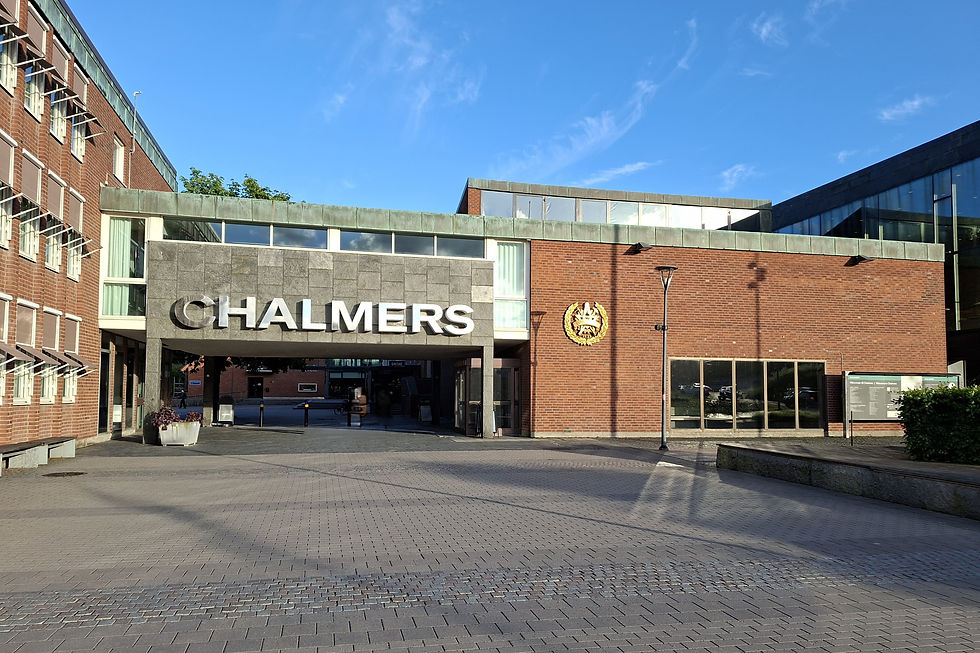
Chalmers University of Technology, Sweden. © Carmen García Sánchez

Dr. Carmen García Sánchez´s participation.
I presented my research article "New Ideas from an Art-Science Exploration of Biophilic Evidence-Based Design" within the session "New perspectives - intersections between healthcare and the physical environment that we do not know about" at the fantastic three-day conference "ARCH26! Exploring intersections between healthcare and the physical environment", held at the at Center for Healthcare Architecture, Chalmers University of Technology, in Gothenburg, Sweden.
The conference featured a comprehensive programme offering a unique opportunity to explore how new knowledge, design strategies, creative education and practice can improve health and wellbeing. We were honoured to hear three extraordinary keynote lectures, including the inaugural lecture by Prof. Roger Ulrich, a pioneer in the field. Led by leading academics and practitioners from all over the world, the sessions encouraged mutual learning and exchange. They connected like-minded professionals and institutions, and paved the way for new collaborations within the conference theme.
Through thought-provoking conversations and meaningful reflections on architectural design and healthcare, we explored ways to address the significant challenges we are facing in these fields. It was a valuable opportunity to share knowledge and discuss innovative ideas on this topic.
The results of my study, which I presented at the conference, are linked to the goals of COST ACTION CA24126 DESIGNAE, which ambitions to cultivate an interdisciplinary, nature-centred design paradigm capable of regenerating ecosystems, cultures, and futures. I am very grateful for the generous support from DESIGNAE, which made my participation possible.

The study has received funding from the European
Union’s H2020 research and innovation
programme under the MSCA grant
agreement 896651. The present action
reflects only the author’s view and it does
not engage in any way the views of the
European Commission

The presentation has received support from
COST ACTION CA24126 DESIGNAE supported by COST
(European Cooperation in Science and Technology).


